古民家の移築
Moving the Japanese Farmhouse
A kominka is a Japanese farmhouse or townhouse built before the war, framed in heavy timber and joined without nails. Its frame was cut to be taken apart. Esumi Atelier takes them apart, moves them, and puts them up again — sometimes on the far side of the country, sometimes as something entirely different from what they were. Ten times since 1990, across Shimane and from Gifu.
Why relocate
Restoration mends a building where it stands. Relocation separates the building from its ground and hands it to the next site — a way to keep a house that cannot stay where it is, or one nobody lives in any more.
The use can change. A silk-farming attic with a 1.5-metre storey becomes a maisonette; a merchant's house becomes an inn. The frame survives; the use changes.
It is a harder discipline than restoration in place. It requires reading a century-old frame well enough to know what will survive dismantling, and a carpentry tradition still able to re-cut and re-join it. Members with insect damage, warp or splits are replaced; sound floorboards and sills are reused.
Relocated buildings
移築の実例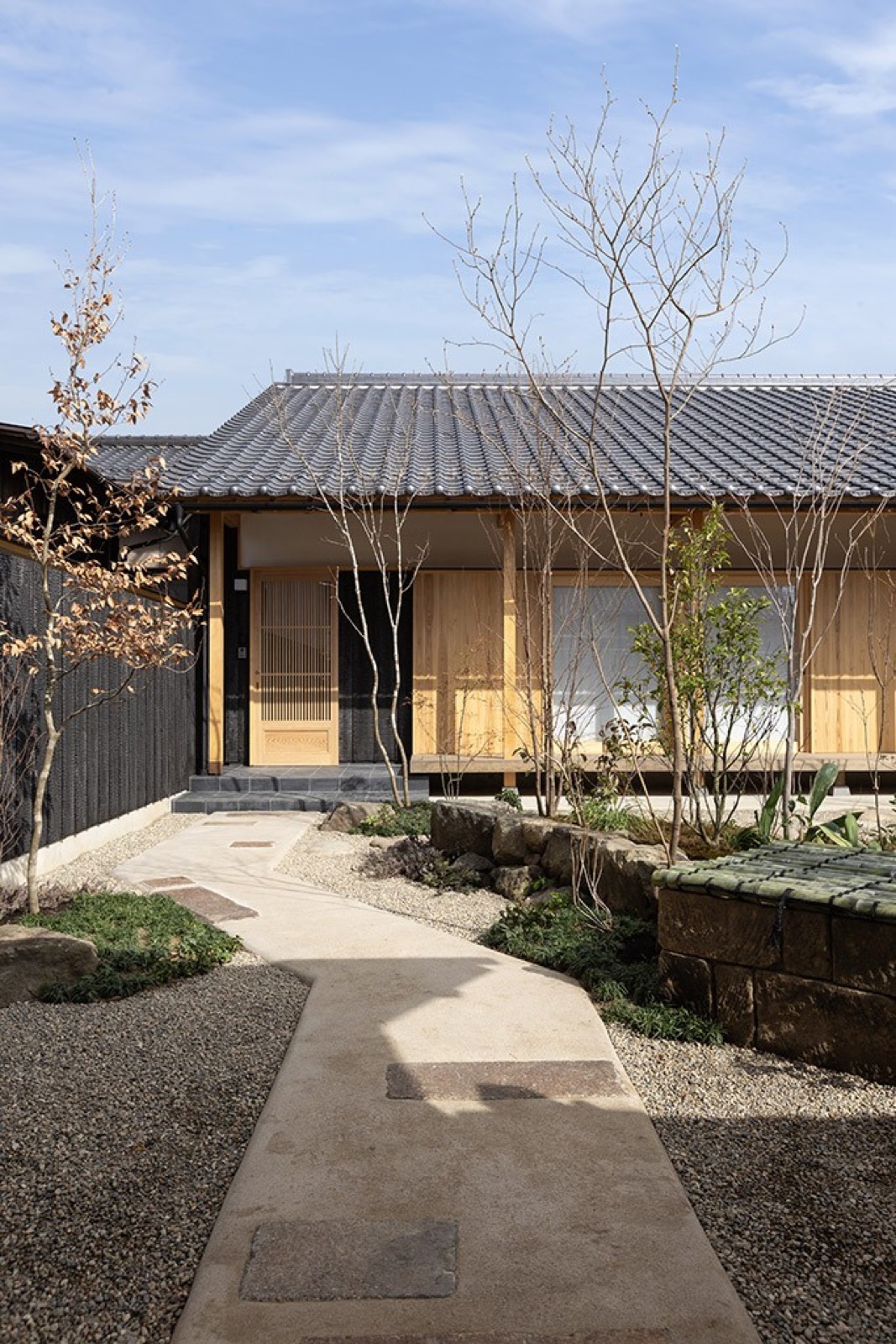
奉納山の古民家
A farmhouse of 1923, relocated and its storeys raised
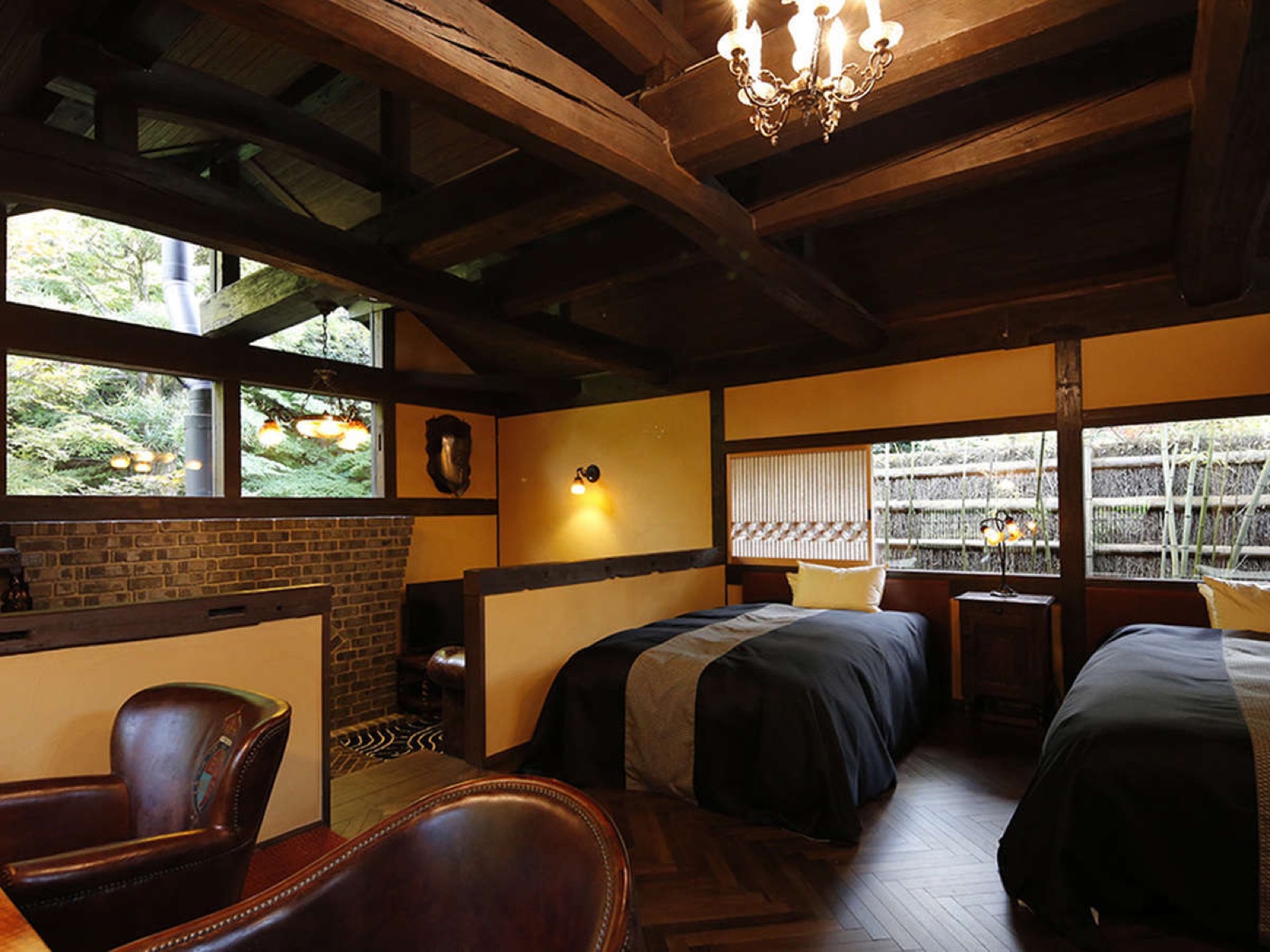
草菴明治
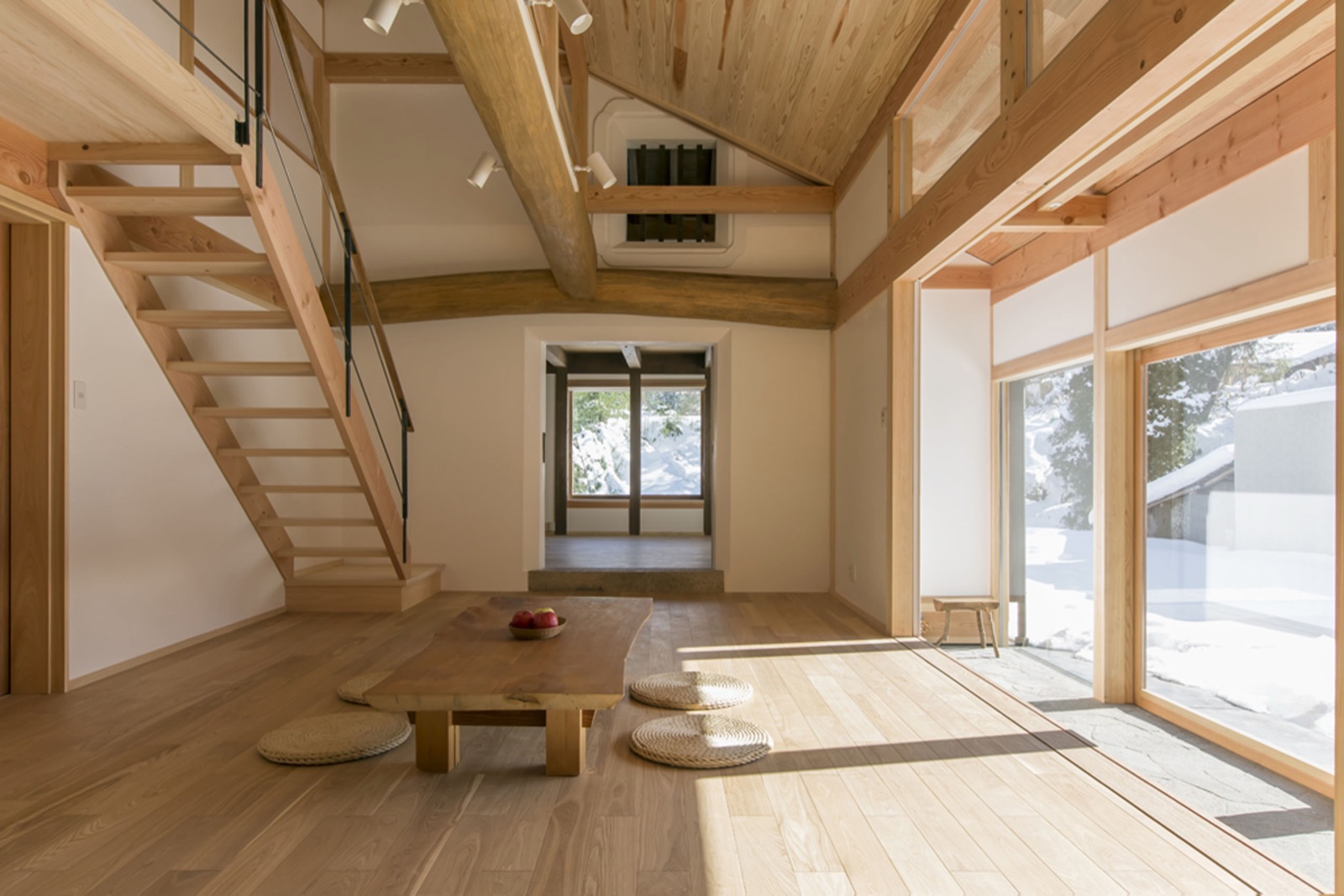
土縁の家・古民家再生
A townhouse of 1902; its formal room dismantled and rebuilt within the site
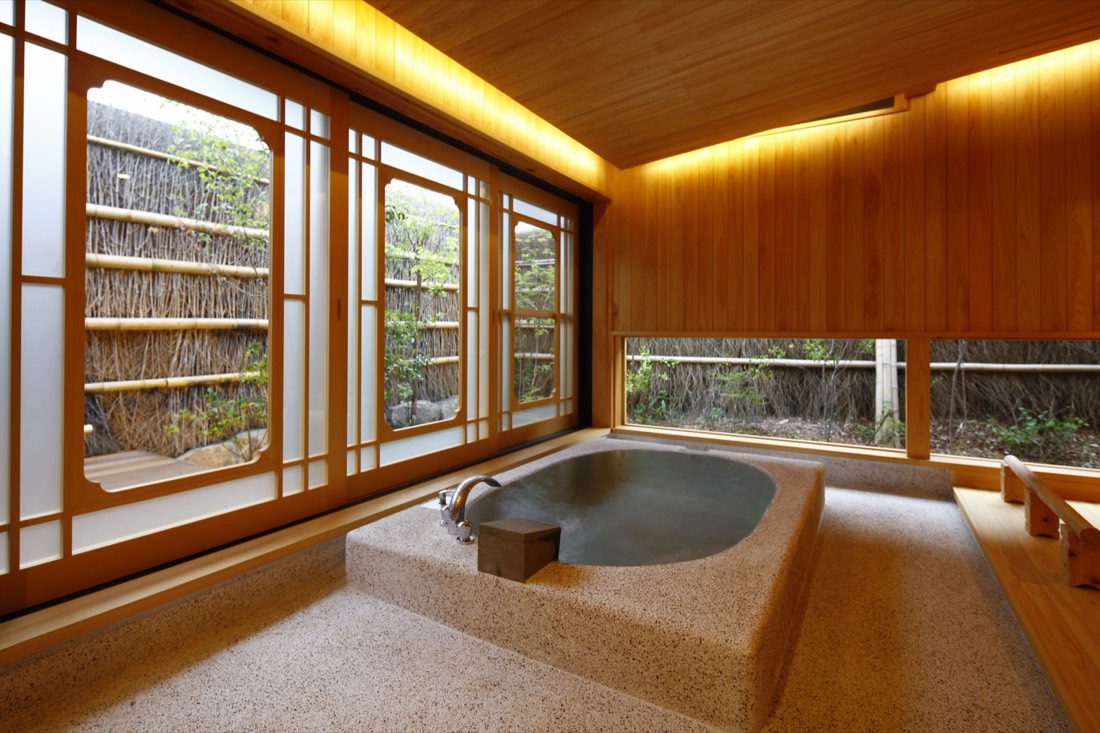
草菴紫雲閣
A Meiji-era house dismantled in Mitoya, Unnan, Shimane
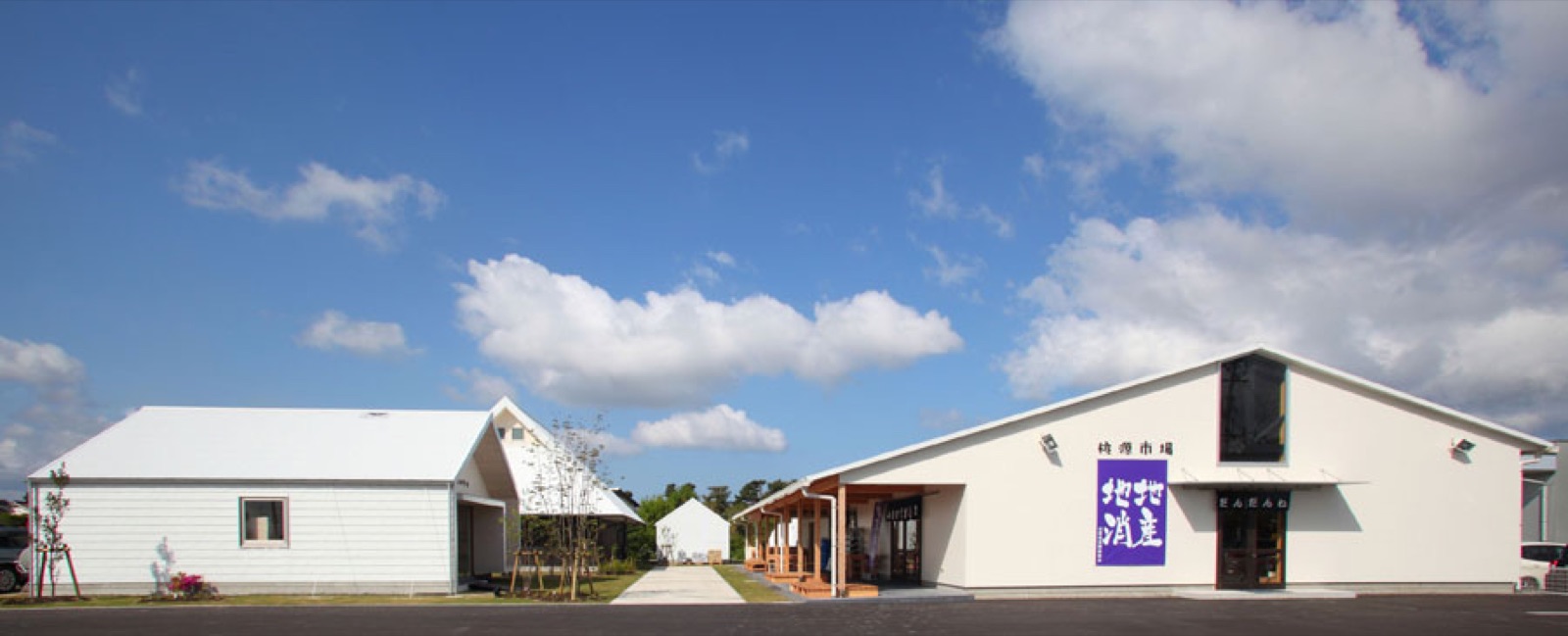
桃源村
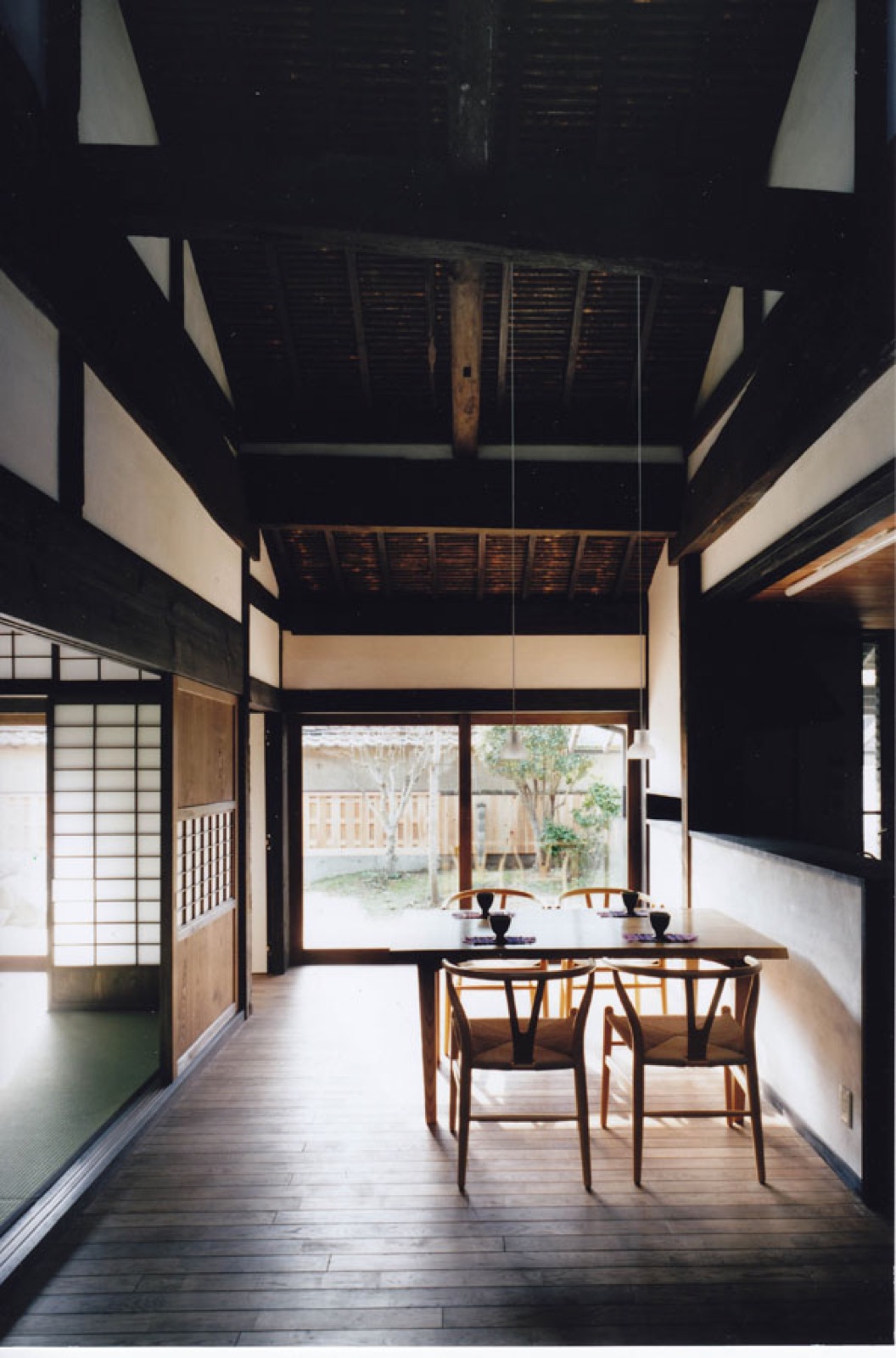
石州瓦の家
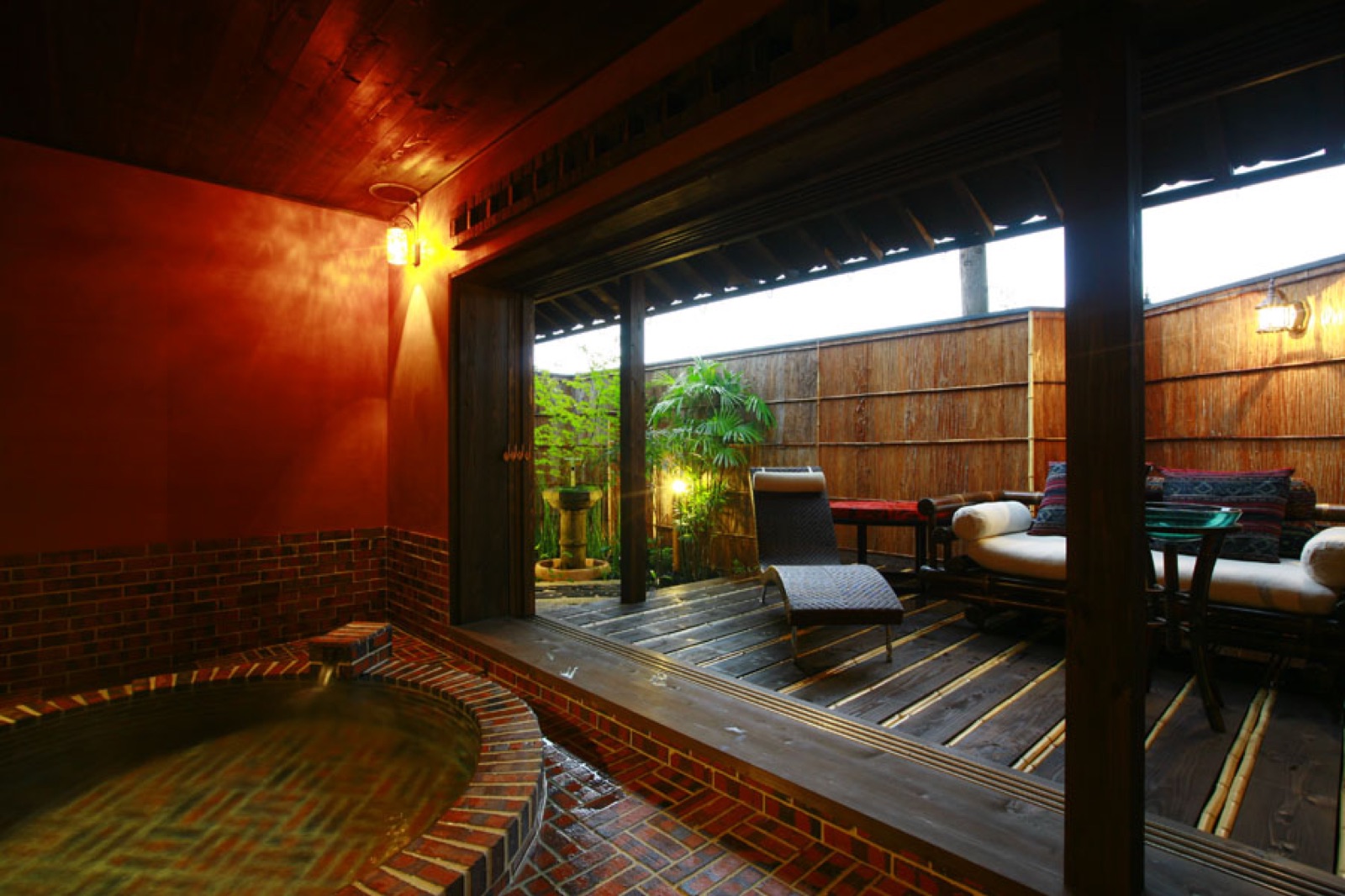
草菴古民家離れの宿
A late-Edo farmhouse from Gotsu, Shimane
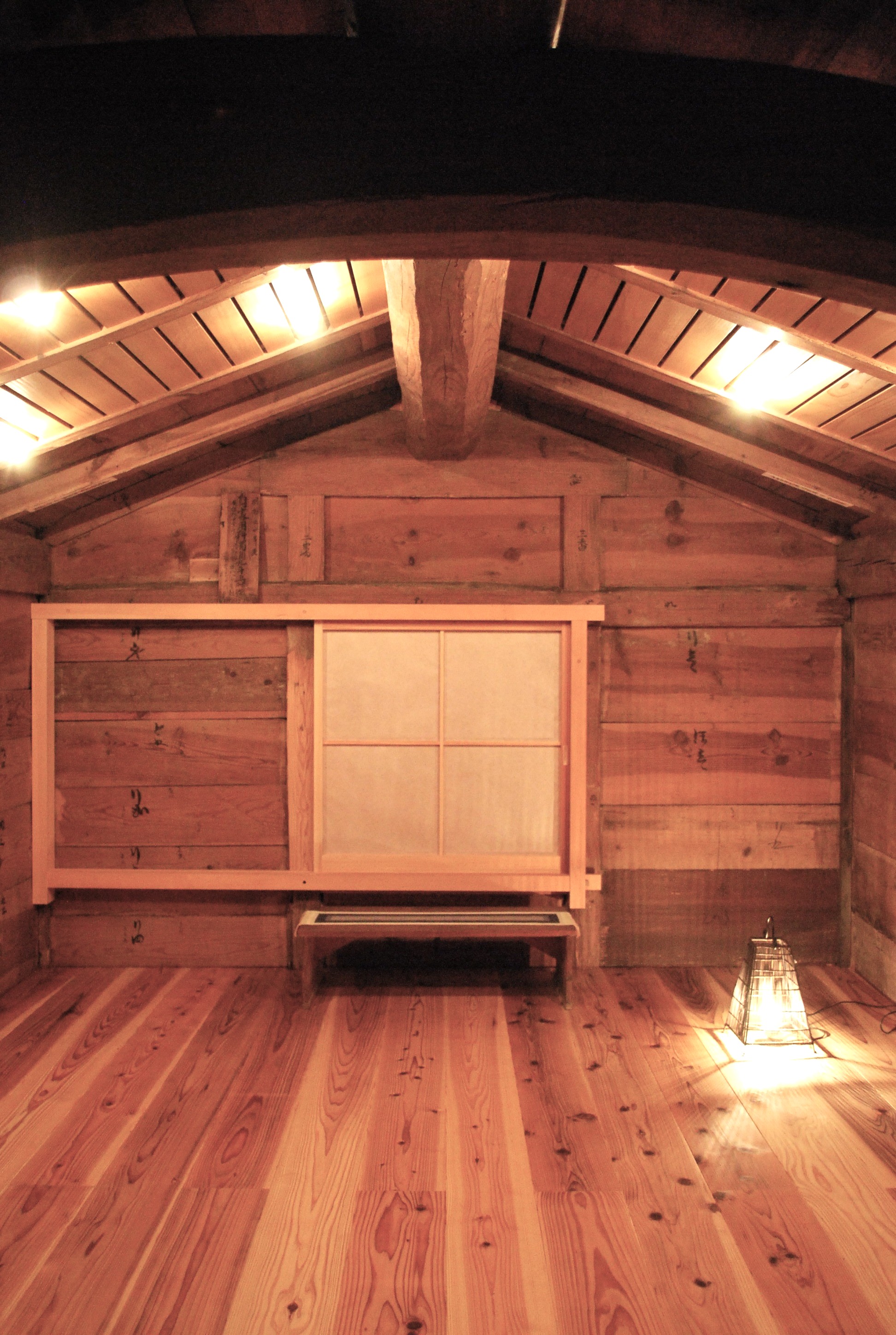
川跡の蔵
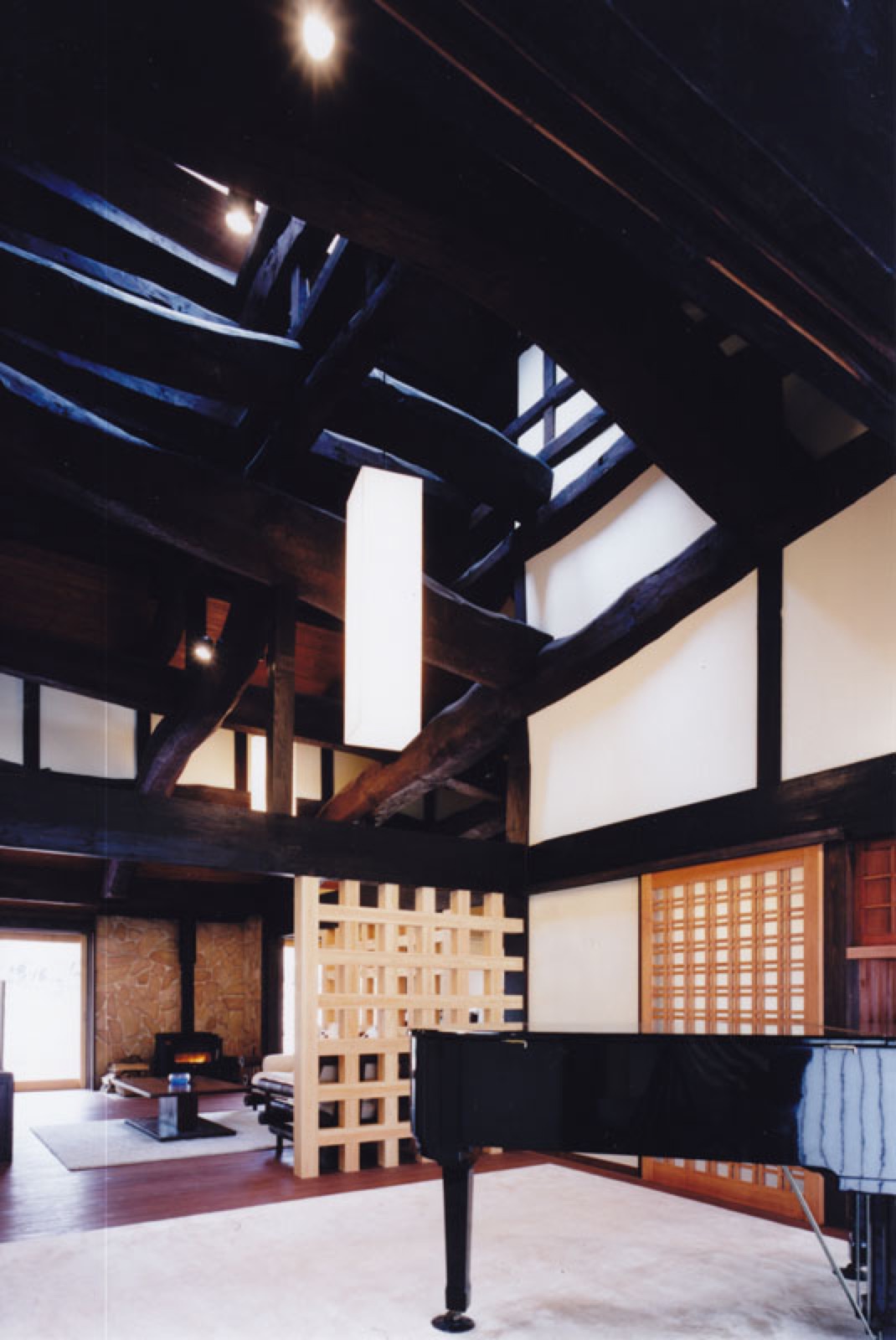
出雲の古民家
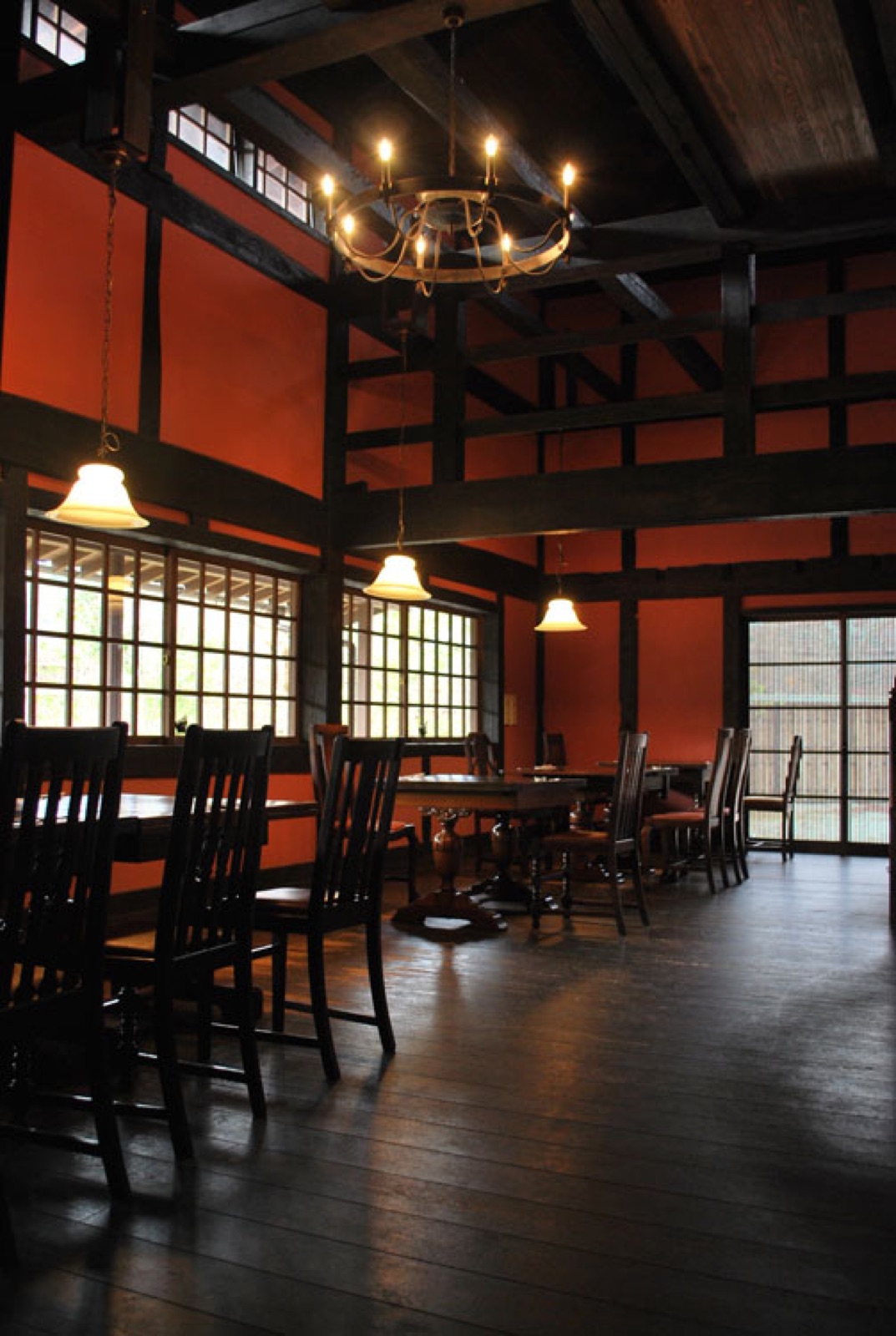
草菴レストランすゞ奈
A Taisho-era house from Miyagawa, Gifu — moved about 300 km
How a relocation runs
01Survey
The condition of the frame, the damage to each member, what can be reused. Whether the building can survive dismantling is decided here.
02Design
The frame is re-composed for the new site and the new life: shear walls, services, and any change of use.
03Dismantling, storage, transport
Each member is numbered, taken down, stored and moved. Distances range from within the site to 300 km.
04Re-erection and finishing
Rebuilt on a new foundation, damaged members replaced, modern insulation and services added.
A Series — Soan
Soan is a hot-spring ryokan at Yunokawa in Izumo, assembled over roughly a decade from relocated houses — 9 projects by the practice. It is the clearest proof that relocation is not a one-off craft exercise but something that can carry a working commercial building.
Beside the farmhouses, the practice has twice been entrusted with buildings the state designates as National Historic Sites: Gakuenji temple (a five-year conservation) and Chikoin temple with Kanayago Shrine. Cultural-property work →
Questions people ask
Can any kominka be relocated?
It depends on the frame. A survey separates the members that will survive dismantling from those that will not; insect damage, warp and splits are replaced. At the Hōnōzan house the zelkova and cedar columns, Douglas-fir lintels and pine beams were assessed, and sound floorboards and sills reused.
How far can a house be moved?
From within the same site to across prefectures. Soan Restaurant Suzuna is a Taisho-era house from Miyagawa in Gifu, carried about 300 km to Shimane and rebuilt.
Can the use change?
Yes. A Meiji-era house became a lounge and seven guest rooms (Soan Shiunkaku); a silk-farming attic only 1.5 m high became a maisonette (Suzuna).
What does it cost, and how long does it take?
Both vary with the building's condition, the distance and the intended use, so the work starts with a feasibility survey. The practice carries a project from survey through design and site supervision.
Where does the practice work?
Throughout Shimane, and it travels to Tottori, Hiroshima, Osaka and Tokyo. Either end of a relocation can be far away. Enquiries in English are welcome.
Talk to us about a relocation
A farmhouse you own, or one you are about to take on: the work starts with a feasibility survey. Send photographs and the location.